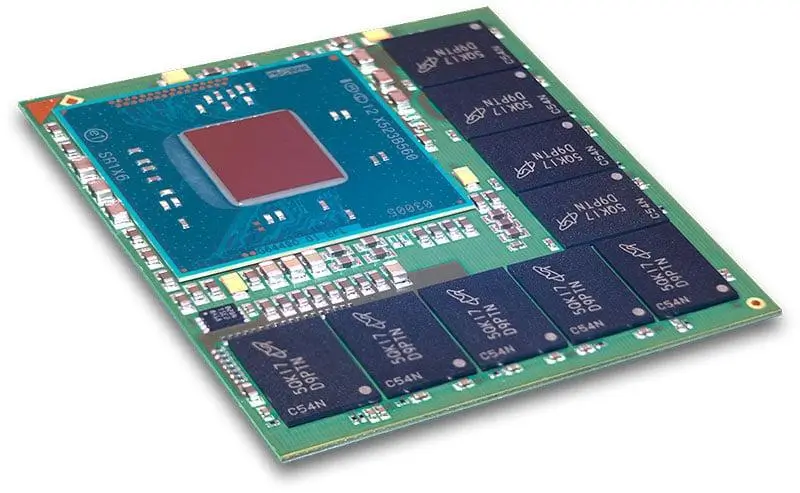
System-in-Package (SiP) technology integrates multiple components or functional elements into a compact package.
It is widely used in communication modules, consumer electronics, wearable devices and other applications requiring high integration density.
As package structures become more compact, cleaning after soldering presents new challenges.
For manufacturers working with SiP modules, selecting a suitable cleaning process is important for product quality and long-term reliability.
1. Why Is SiP Cleaning Challenging?
SiP assemblies may contain multiple components, fine-pitch connections and complex surface geometries.
Depending on the design, flux residues can accumulate:
- Around solder joints
- Beneath low-standoff components
- Between closely spaced devices
- Around package edges
- In narrow gaps between components
These areas may be difficult to clean using simple surface washing.
2. Common Contaminants After Assembly
Post-soldering contamination varies depending on the materials and manufacturing process.
Typical contaminants include:
- Rosin-based flux residues
- No-clean flux residues
- Water-soluble flux residues
- Soldering process residues
- Other process-related organic contamination
Different flux formulations require different cleaning chemistries.
A cleaning agent should never be selected based only on the package name.
3. Aqueous Spray Cleaning for SiP Modules
Aqueous spray cleaning combines a suitable water-based cleaning agent with controlled spray action.
The process normally includes three stages.
Chemical Washing
The cleaning solution interacts with flux residues and helps loosen or dissolve contamination.
DI Water Rinsing
DI water removes the dissolved residues and remaining cleaning chemistry.
Hot Air Drying
Controlled hot air removes moisture remaining on the assembly.
The process must be optimized according to package clearance, material compatibility and cleanliness requirements.
4. Important Cleaning Parameters
For SiP cleaning, manufacturers should pay attention to:
- Cleaning agent compatibility
- Chemical concentration
- Spray pressure
- Cleaning temperature
- Exposure time
- DI water quality
- Rinse cycle quantity
- Drying temperature
A suitable process window should be established through sample testing.
5. Batch Cleaning Equipment for SiP Applications
A batch cleaning machine can be suitable for manufacturers handling different SiP designs or production batches.
The ACTSPRAY AC620 uses vertical spray cleaning and a dual-lane configuration.
Its two independent cleaning chambers allow two rows of PCBA or SiP assemblies to be processed simultaneously.
The machine also provides adjustable washing, rinsing and drying parameters.
Optional MES and barcode integration can support production management requirements.
6. How to Validate a SiP Cleaning Process
Before adopting a cleaning process, manufacturers should:
- Identify the flux chemistry and contamination type.
- Confirm component and substrate compatibility.
- Select an appropriate cleaning agent.
- Optimize spray pressure and cleaning time.
- Confirm rinse-water quality.
- Evaluate drying performance.
- Verify cleanliness using suitable inspection methods.
Testing should use actual production assemblies whenever possible.
Conclusion
SiP module cleaning requires careful consideration of package structure, flux chemistry and process parameters.
A properly configured vertical spray batch cleaning system can be evaluated for these applications, especially when manufacturers need flexible batch processing.